Why using a VPN service is great for language learners
How a VPN Can Supercharge Your English Learning: Watch, Listen, and Read Like a Local
Introduction
One of the greatest challenges for learners of English is gaining access to authentic, contemporary input — the kind of English people actually use in everyday life, in television interviews, podcasts, and online media. While textbooks and classroom materials are helpful, nothing replaces the experience of hearing how real speakers use language in context. Yet for many learners outside English-speaking countries, much of this content is restricted by region or unavailable altogether.
The Problem: Geoblocking and Limited Access
Many television networks, streaming services, and even YouTube channels limit access to certain countries. For instance, programmes such as The Tonight Show Starring Jimmy Fallon on NBC or BBC iPlayer content are often unavailable to viewers in Germany or elsewhere in Europe. This is due to broadcasting rights, licensing agreements, and regional regulations. As a result, learners who would benefit enormously from such authentic material are often excluded simply because of where they live.
The Solution: A Virtual Private Network (VPN)
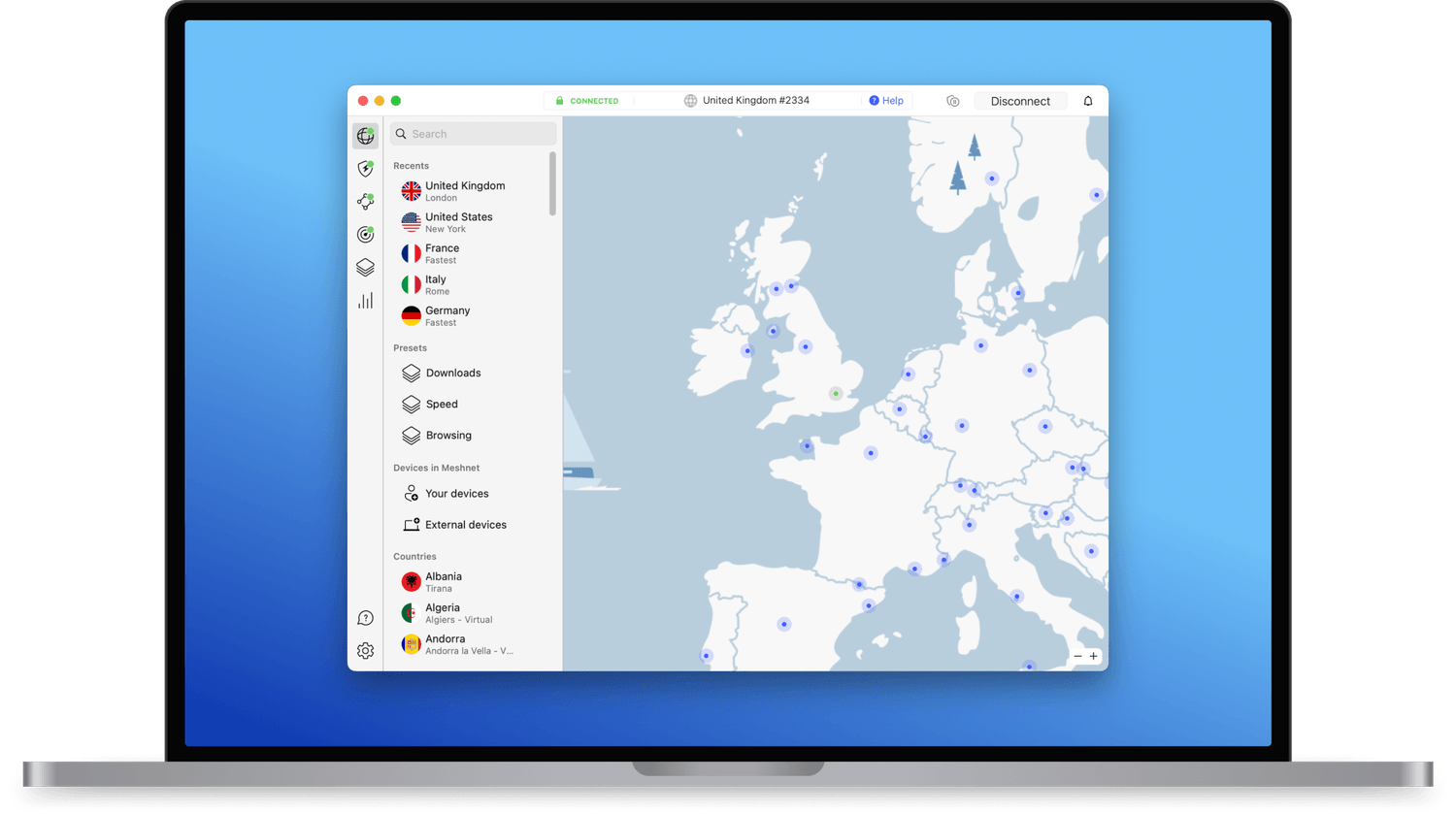
A Virtual Private Network, or VPN, is a service that encrypts your internet connection and routes it through servers in other countries. In simple terms, it allows you to appear online as if you were located somewhere else — for example, in the United Kingdom or the United States.
From a language learning perspective, this means you can access the same websites, videos, and streaming content that native speakers enjoy. You can also read regional news articles, explore local online communities, and experience the subtle linguistic and cultural nuances that make English so rich and varied.
Practical Benefits for Language Learners
Using a VPN opens up a world of authentic exposure opportunities:
Watch real English television and streaming content. With a VPN, you can follow The Tonight Show, BBC News, or Channel 4 documentaries exactly as they are broadcast. This offers invaluable listening practice and exposure to different accents, humour, and idiomatic expressions.
Access country-specific news and cultural content. Reading The Guardian from a UK server or The New York Times from a US server can help you experience English through the lens of its speakers. This provides not only language input but also cultural awareness.
Improve your ear for pronunciation and rhythm. Listening to authentic media trains your perception of stress, intonation, and connected speech — features that no textbook can fully capture.
Learn from context. Watching interviews, talk shows, or documentaries allows you to observe gestures, tone, and register — elements that are crucial for advanced comprehension and presentation skills.
Stay connected while travelling. If you are abroad or studying in a different country, a VPN helps you maintain secure access to your usual educational resources, university accounts, or research databases.
Responsible and Legal Use
Using a VPN is completely legal in the EU, and most other countries. Millions of people use VPNs daily to protect their privacy, secure public Wi-Fi connections, and access the internet safely.
However, using a VPN to circumvent geographical restrictions may violate the terms of service of certain streaming platforms. This is a contractual matter, not a criminal one. In practice, the most common consequence is that the platform may block access until the VPN is turned off. It is therefore advisable to use VPN services responsibly and always respect copyright laws and licensing agreements.
For educational purposes — such as improving your English comprehension and cultural knowledge — using a VPN to access authentic media is a legitimate and valuable strategy, provided you act within the boundaries of fair use and personal study.
Why I Recommend NordVPN
After experimenting with several providers, I have personally found NordVPN to be the most reliable and user-friendly service for both language learning and general security. It offers a wide range of international servers, strong encryption, and excellent speed, which makes streaming smooth and uninterrupted.
NordVPN also has applications for all major devices, from laptops to smartphones, so you can switch countries and explore English-language content wherever you are. Most importantly, it provides the privacy and safety that should accompany any serious online study routine.
How to Use a VPN for Language Learning
Install the VPN app on your computer or phone.
Choose a server location in the country whose content you wish to access (for English learners, typically the UK, US, Canada, or Australia).
Connect and browse normally — you will now appear as if you were in that country.
Open your chosen platform (e.g. YouTube, BBC iPlayer, or a US network website) and enjoy authentic, up-to-date English input.
You might also use this opportunity to explore regional variations — switching between British and American servers to experience differences in vocabulary, spelling, and pronunciation.
Conclusion
For serious learners of English, exposure to authentic media is not optional; it is essential. A VPN enables you to move beyond textbook English and into the living, breathing language as it exists today. By watching current programmes, listening to local news, and exploring genuine online environments, you develop linguistic intuition and cultural fluency that no course alone can provide.
Used responsibly, a VPN is one of the most practical and enriching tools a language learner can have. If you value both privacy and authentic access, it may well become an indispensable part of your English-learning journey.
* This is an affiliate link. We only endorse products that we firmly believe in and that we use ourselves. The price of the product is unaffected if you use this link compared to going directly to the product's website. However, we do get a small commission to support our work.
Work with us
Coaching
Media enquiries
Shop
Social


© 2025 Elephant Solutions, LLC.
All rights reserved.
The Mastering English logo
is a registered trademark.
© Copyright 2025 by Elephant Solutions, LLC